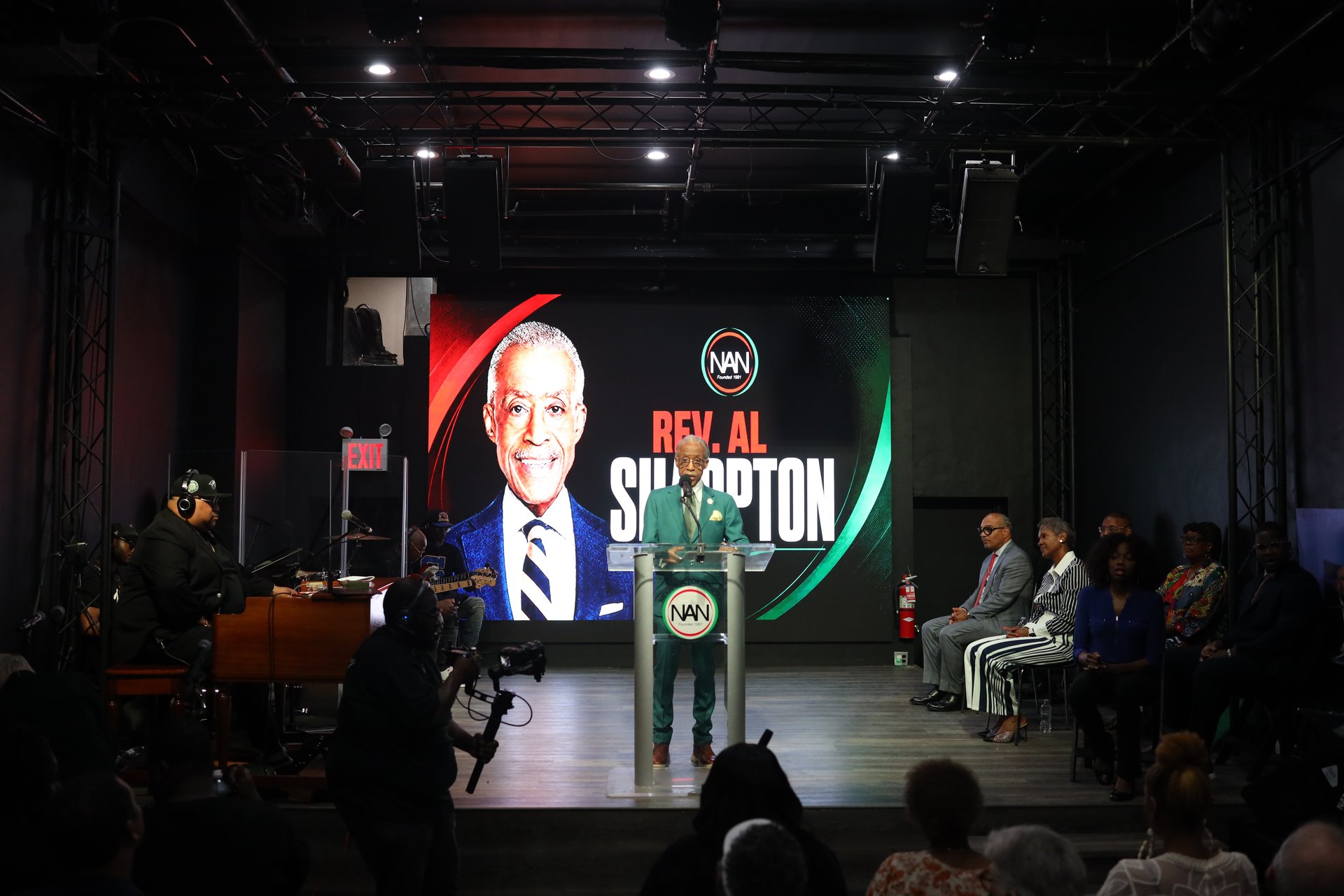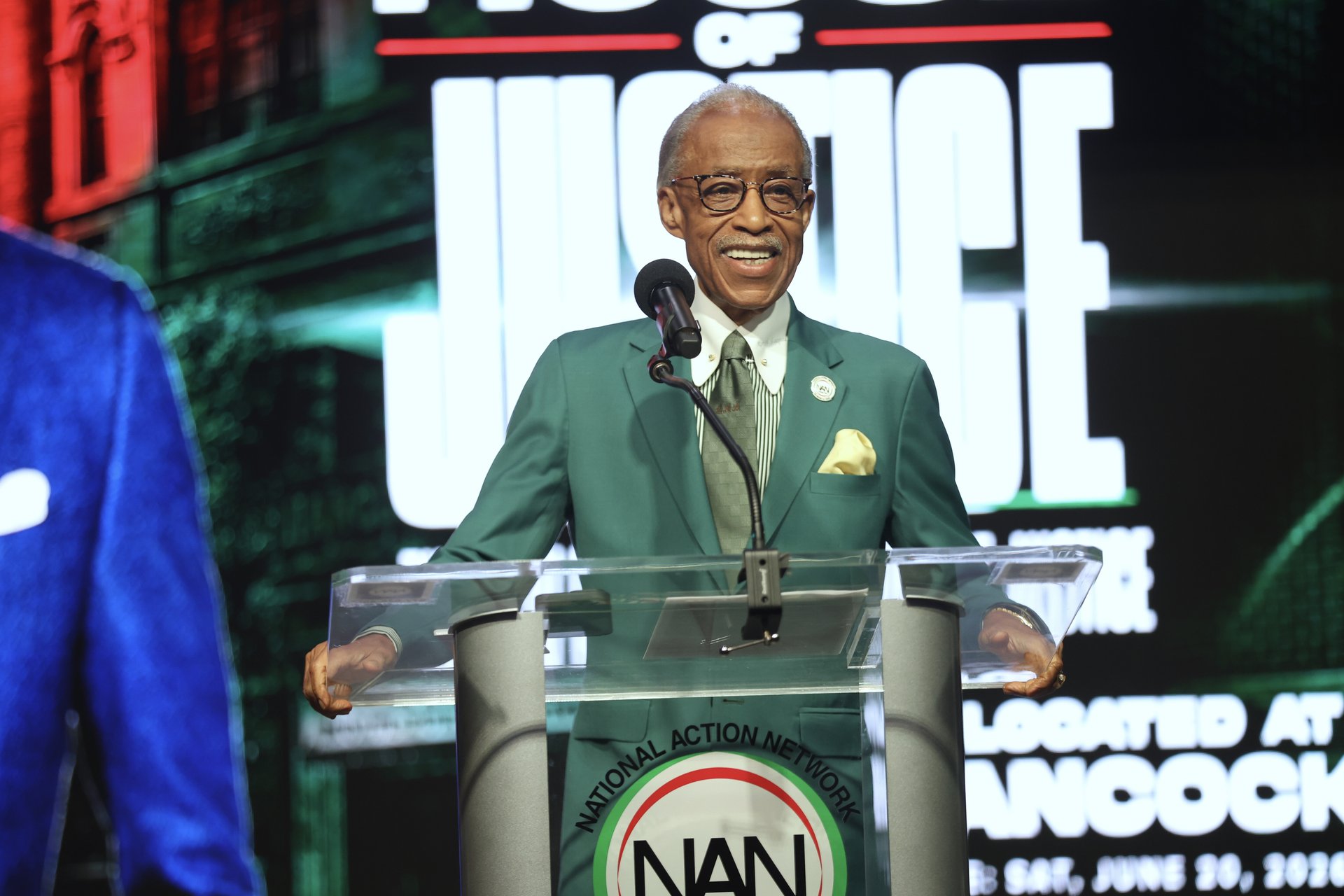
Every Saturday morning for more than thirty years, the people have gathered. Organizers and grandmothers, elected officials and grieving families, the famous and the never-named, all crowding into a room in Harlem to name what is wrong and organize what comes next. They call it the House of Justice. On Saturday, July 18, 2026, for the first time, they gathered in a house the movement owns.
National Action Network was founded in 1991 by Rev. Al Sharpton, built on a simple and stubborn idea: one standard of justice, decency, and equal opportunity for all people, regardless of race, religion, nationality, or gender. It was Rev. Jesse Jackson who first christened the movement's home the "House of Justice," at NAN's original location on 1941 Madison Avenue. From that day the name belonged to the movement, not the address. It traveled with them to the storefront at 106 West 145th Street, and now to Hancock Place. Wherever the people gathered, that room became the House of Justice, because it was never about the building. It was about what happened inside, week after week, in the tradition of Dr. Martin Luther King Jr.
Now that tradition has a permanent home. National Action Network has purchased the historic Faison Firehouse Theater on Hancock Place, a building that dates back to 1909, and is transforming it into the House of Justice, Rev. Jesse Jackson's Workshop. It is a deliberate act. In a Harlem being reshaped by rising costs and displacement, the movement chose not to rent, but to own, planting a flag for Black leadership and influence that cannot be priced out.
From a Firehouse to a Movement House
There is a poetry to the choice. The firehouse was built to answer alarms, to run toward danger while others ran away. Later it became a theater under the Tony Award-winning choreographer George Faison, a stage for Black art in the heart of Harlem. Rev. Sharpton has spoken of the new headquarters as a place where activism and the arts intersect, a modern echo of the Harlem Renaissance, where organizing and culture share the same address.
That is fitting, because the Black church, the union hall, and the community stage have always done the same quiet work: gathering people, telling the truth, and sending them back out with the courage to keep going. The new House of Justice inherits all of it.
The First Saturday
The Saturday Action Rally is the heartbeat of National Action Network. It has run every week for decades, broadcast to the country, a standing invitation to anyone who believes the fight is not finished. Speakers have ranged from presidents to the parents of children lost to injustice. The format never changes: the community comes, the truth gets told, and the work moves forward.
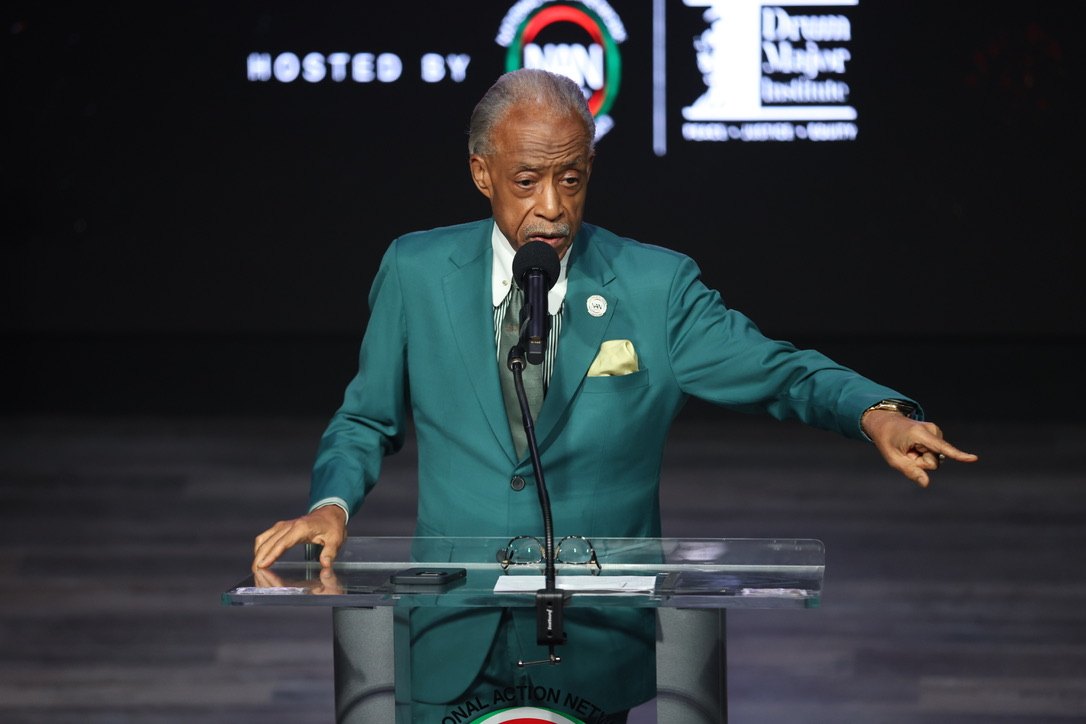
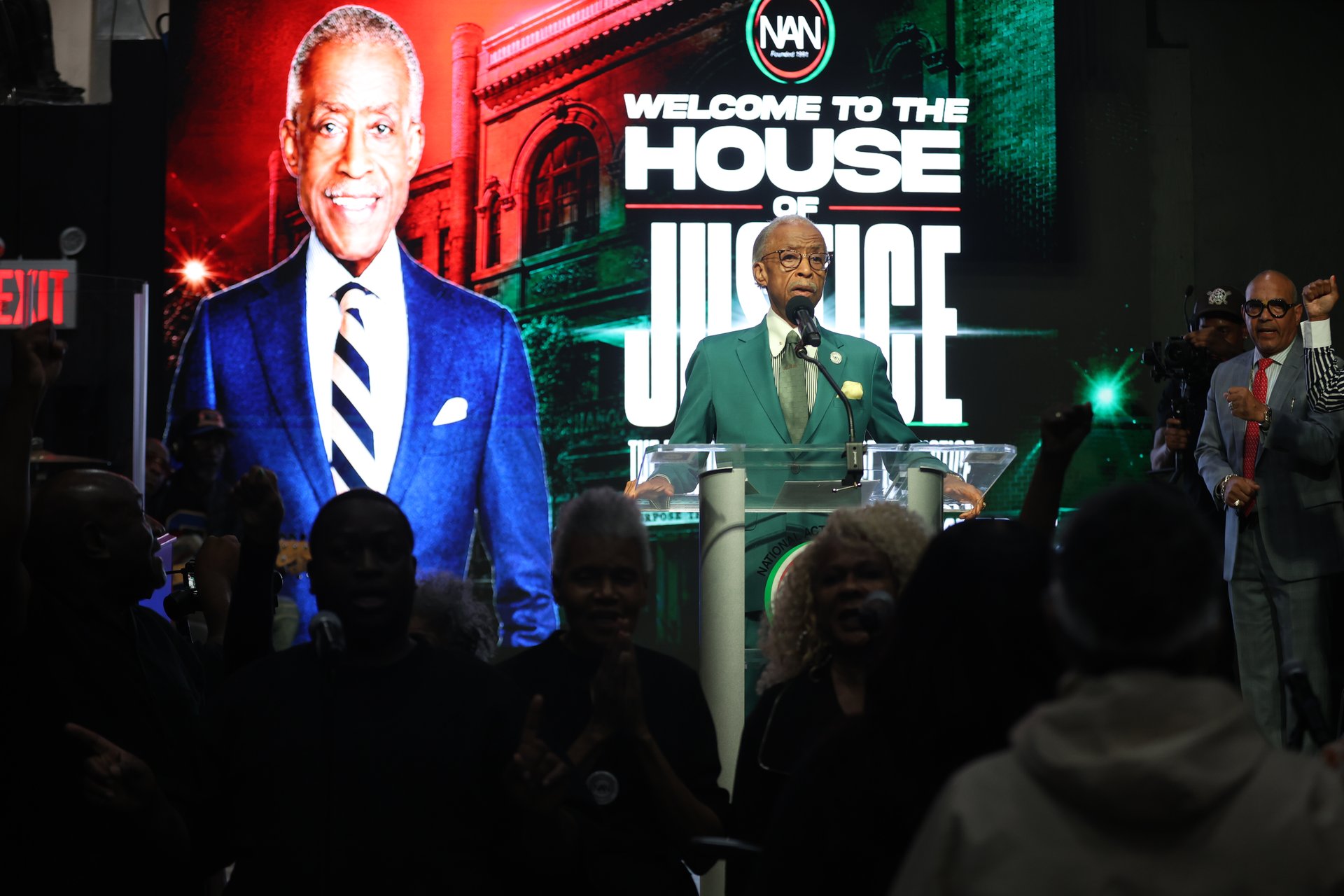
On Saturday, July 18, 2026, that heartbeat found its new home. The room that once housed fire engines and later a theater's audience now holds the movement's oldest weekly ritual. The first rally in the new House of Justice was not a ribbon-cutting. It was a continuation, the same fight for voting rights, for economic dignity, for one standard of justice, carried across the street and into a building that will outlast the moment.
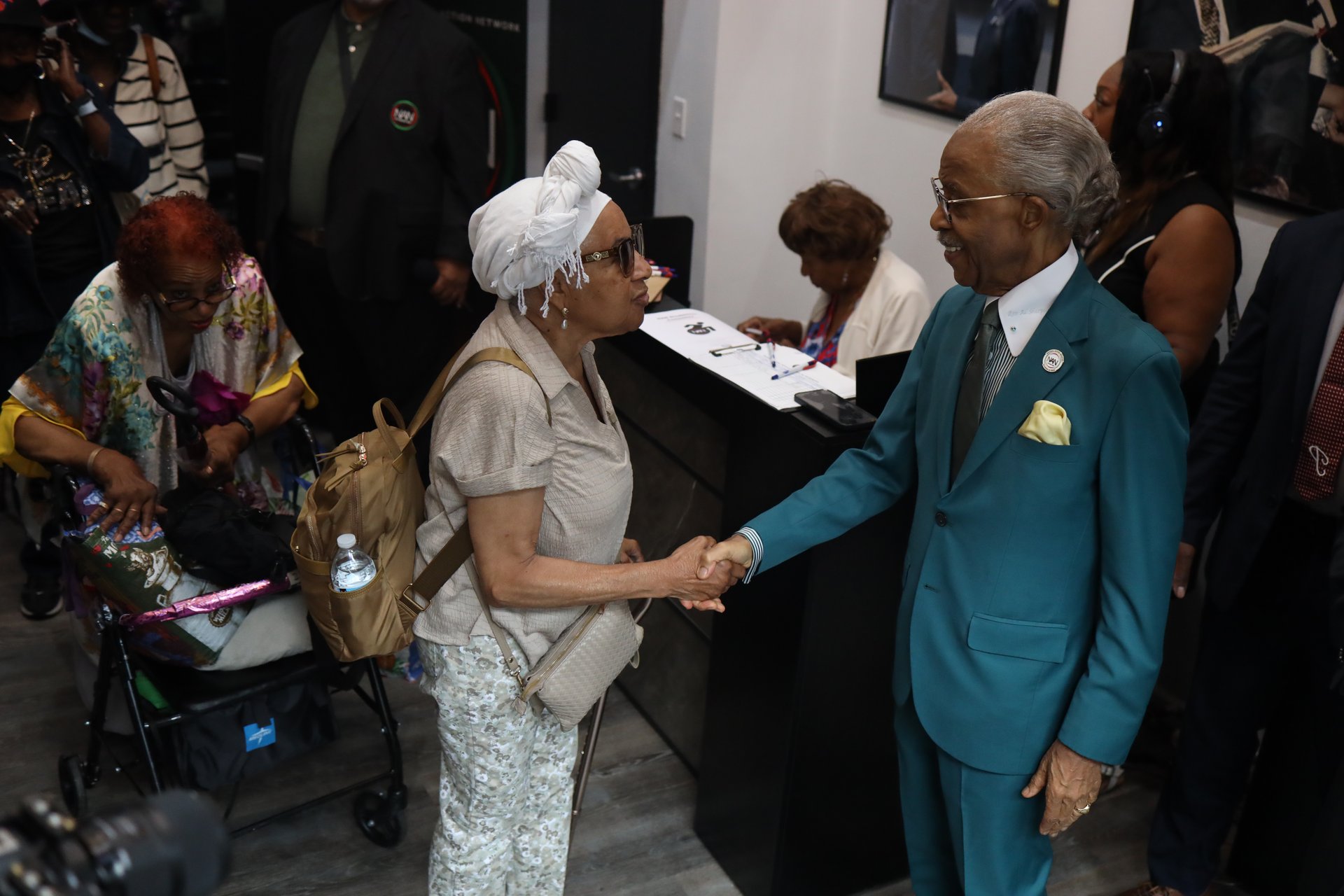
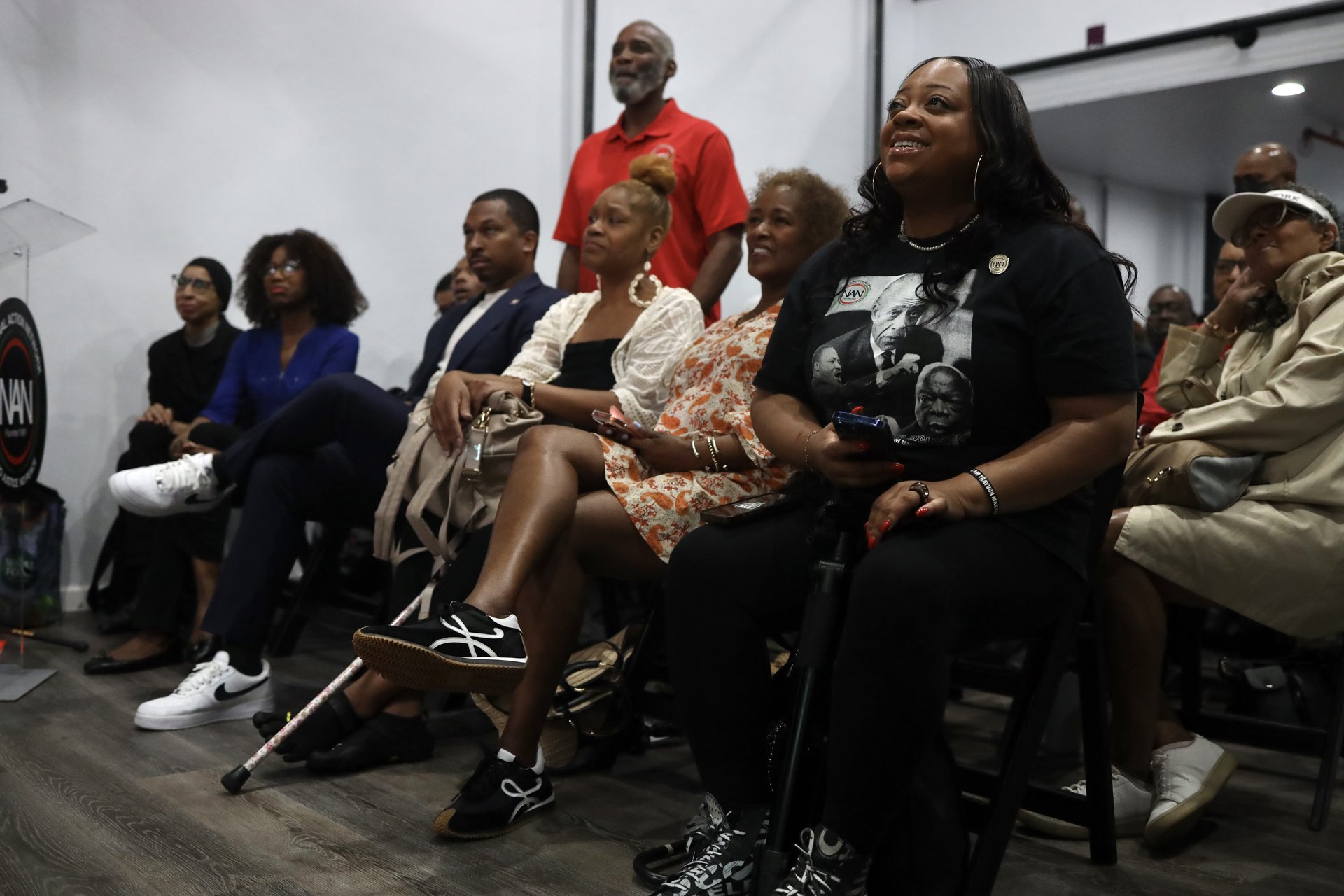
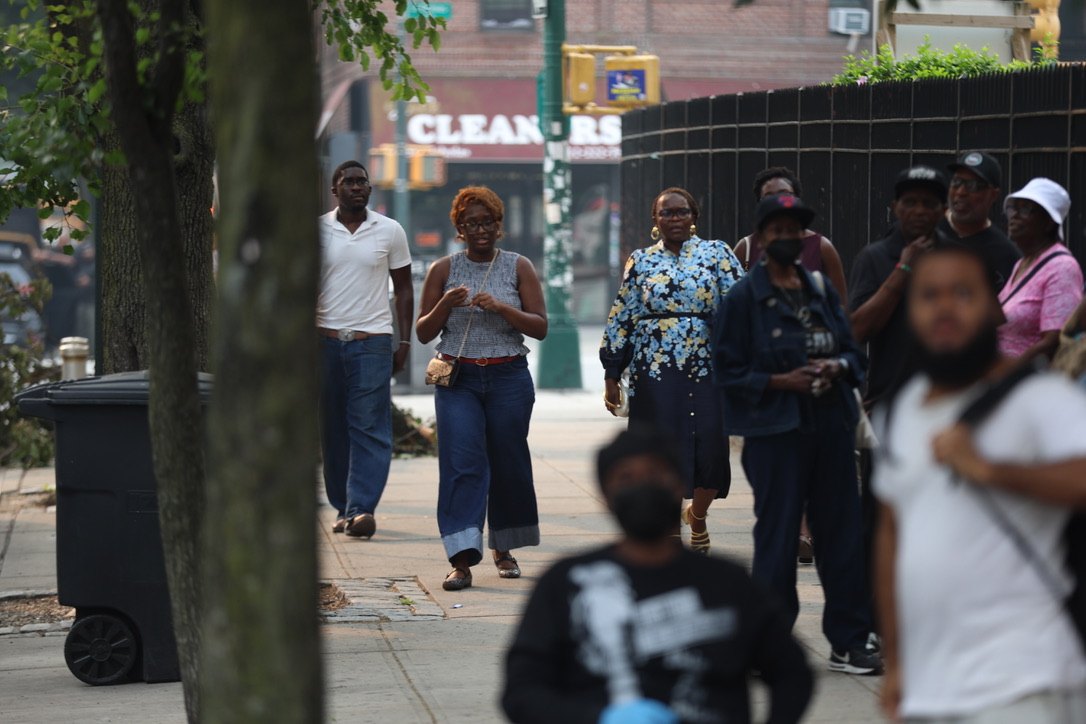
For thirty years the people came to a room the movement rented. On this day, they came to a house that is theirs.The First Rally · The House of Justice, Harlem
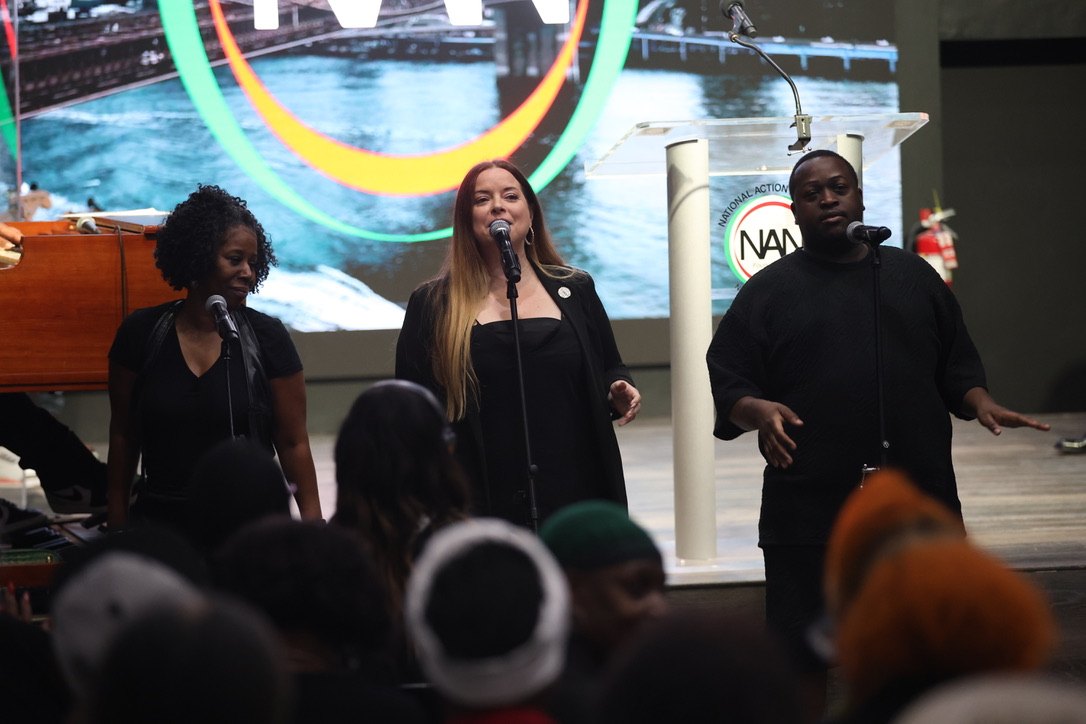
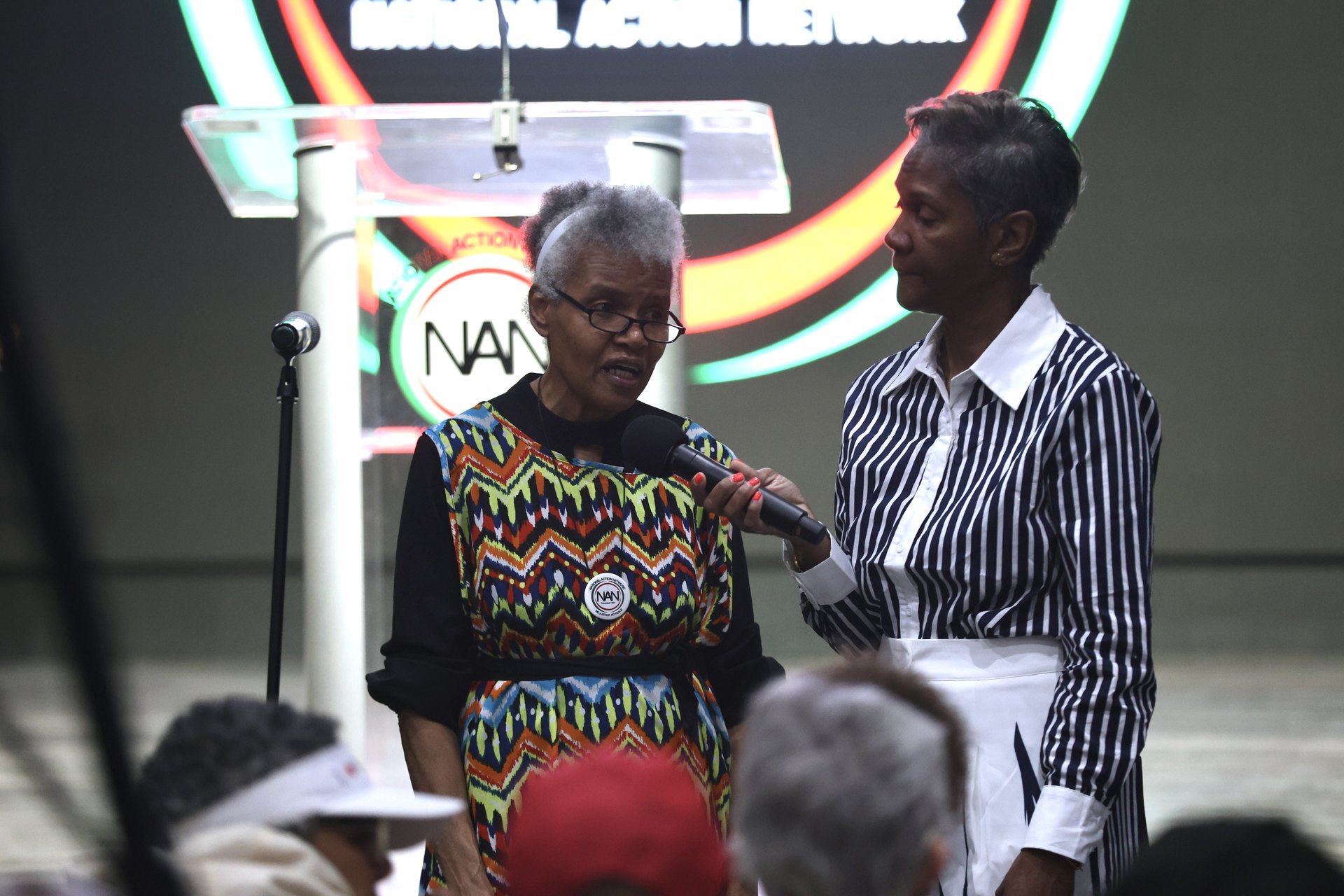
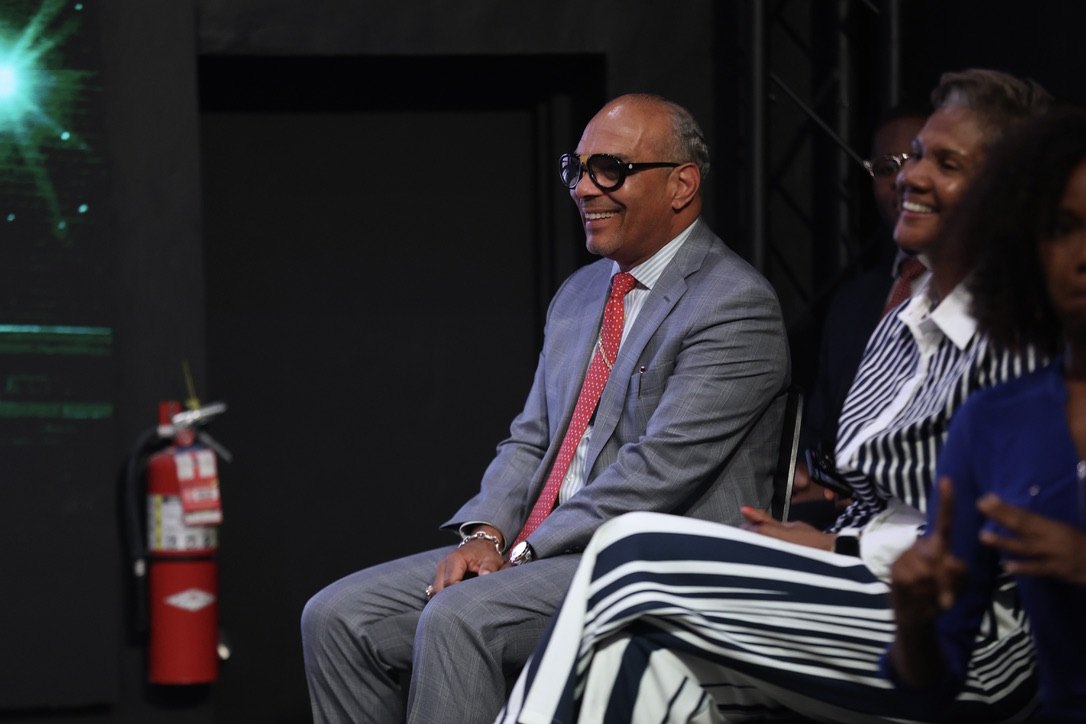
The morning had the feel of a homecoming. Neighbors walked the same Harlem blocks their elders once marched, past the corner stores and stoops, toward a set of doors that now belong to the movement. Inside, a praise team lifted the room in song before the speaking began, a reminder that in this house, activism and the arts share the same stage. Elders rose to give testimony. Hands went up. The old rhythm of the Saturday Action Rally found its new room and filled it.
An Anchor in Harlem
Harlem has always been more than a neighborhood. It has been a capital of Black thought, art, and protest, a place whose name carries weight around the world. But capitals can be lost. As longtime residents are pushed out and storefronts change hands, institutions that once seemed permanent can vanish. By buying the firehouse outright, National Action Network answered that threat with ownership.
The message is plain: the movement is not going anywhere. The House of Justice will host rallies and community programs, performances and public forums, a hub where the neighborhood's history, voice, and influence stay rooted in its future. What began in a rented storefront in 1991 now stands on ground the movement holds in its own name.
The doors are open. The people came. And every Saturday at nine, the work continues.